

Our Batches
Nurturing Financially Confident Women
Choose your preferred schedule and begin your investing journey
FormatIn Person
LocationNariman Point, Mumbai
Sessions8 Sessions × 2 Hours
Investment₹16,000 (incl. GST)
Batch Size10 Participants
Course Curriculum
SESSION 1:
Principles of Smart Investing
Building your foundation
- Introduction to investing
- Financial Health Checklist
- Investor Mindset (how to think like an investor)
- The 3 Buckets of Investing:
- Emergency Bucket
- Stability Bucket
- Growth Bucket
- Rule of 72
- Compounding & the power of time
🎲 Interactive games
SESSION 2:
Insurance
Protecting what matters most
- Why insurance is essential
- Types of insurance
- Term Insurance:
- Features of a good policy
- How much coverage you need
- Health Insurance:
- Key features
- Checklist for choosing a plan
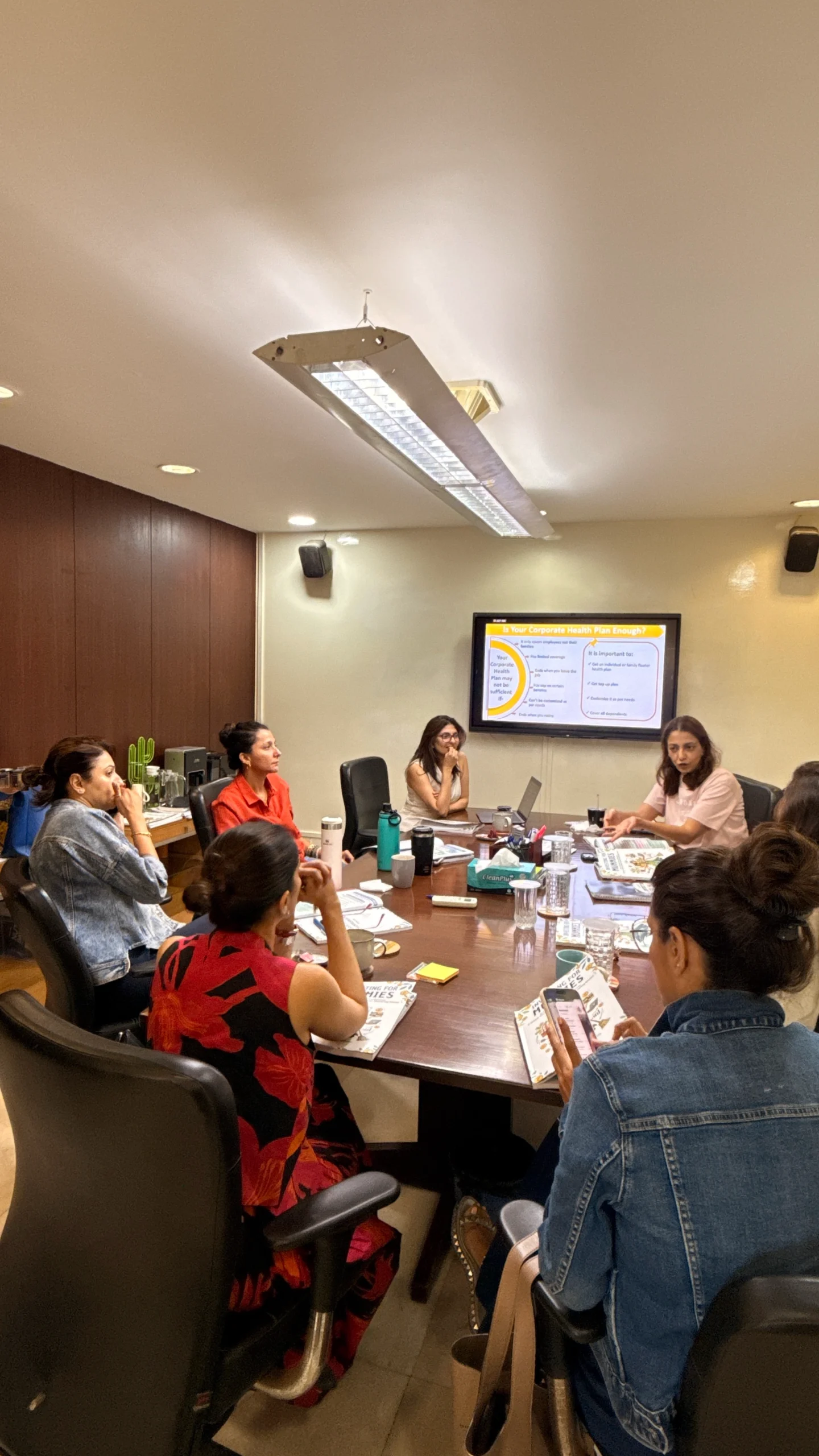
- Understanding corporate health plans
- Endowment plans & ULIPs (what to know before investing)
SESSION 3:
Asset Classes (Part 1)
Where can you invest?
- What are asset classes?
- Asset allocation & diversification
- Real Estate:
- As an investment
- Risks vs other asset classes
- REITs & Indexation
- Commodities:
- Gold & Silver
- Ways to invest
- What affects their prices
🎲 Interactive Game
SESSION 4:
Asset Classes (Part 2)
Fixed income & intro to markets
- Debt / Fixed Income investments
- Understanding borrowers
- Key instruments:
- Fixed Deposits
- PPF
- Sukanya Samriddhi Yojana
- Govt Securities & Bonds
- Sovereign Gold Bonds
- Bond basics & terminology
- Intro to Equity Investments
- Intro to Mutual Funds: AMC, Fund Manager, AUM
🎲 Interactive Game
SESSION 5:
Mutual Funds (Part 1)
How mutual funds work
- Key terms: NAV, Expense Ratio, Exit Load, Benchmark
- Types of funds: Active vs Passive, Open/Close ended, Growth/IDCW, Direct/Regular
- Investment strategies: SIP, STP, SWP
- Rolling Returns
- How to read a mutual fund name
🎲 Interactive games
SESSION 6:
Mutual Funds (Part 2) & More
Beyond basic investing
- Advanced products: ETFs, SIFs, PMS, AIFs
- Comparison across investment vehicles
- Stocks (Part 1):
- Why companies need money
- Ways companies raise capital
- What is a share?
- IPO & its journey
🎲 Interactive games
SESSION 7:
Stocks (Part 2)
How the stock market works
- FPO, Rights Issue, Delisting
- How the stock market functions
- Key participants
- Market mechanics: Bid/Ask, Market/Limit orders, Stop loss
- Face value vs Market price
- Factors affecting stock prices
- Market Capitalisation
- Returns from stocks
- Basics of stock valuation
🎲 Interactive games
SESSION 8:
Stocks (Part 3) & Evaluation
Making smarter decisions
- Stocks: Volatility, market behaviour, indices, types
- Evaluating Investments: Absolute Return, CAGR, IRR, XIRR, TWRR, Rolling Returns
- Goal-based planning: Retirement & education tools
🎲 Interactive Game
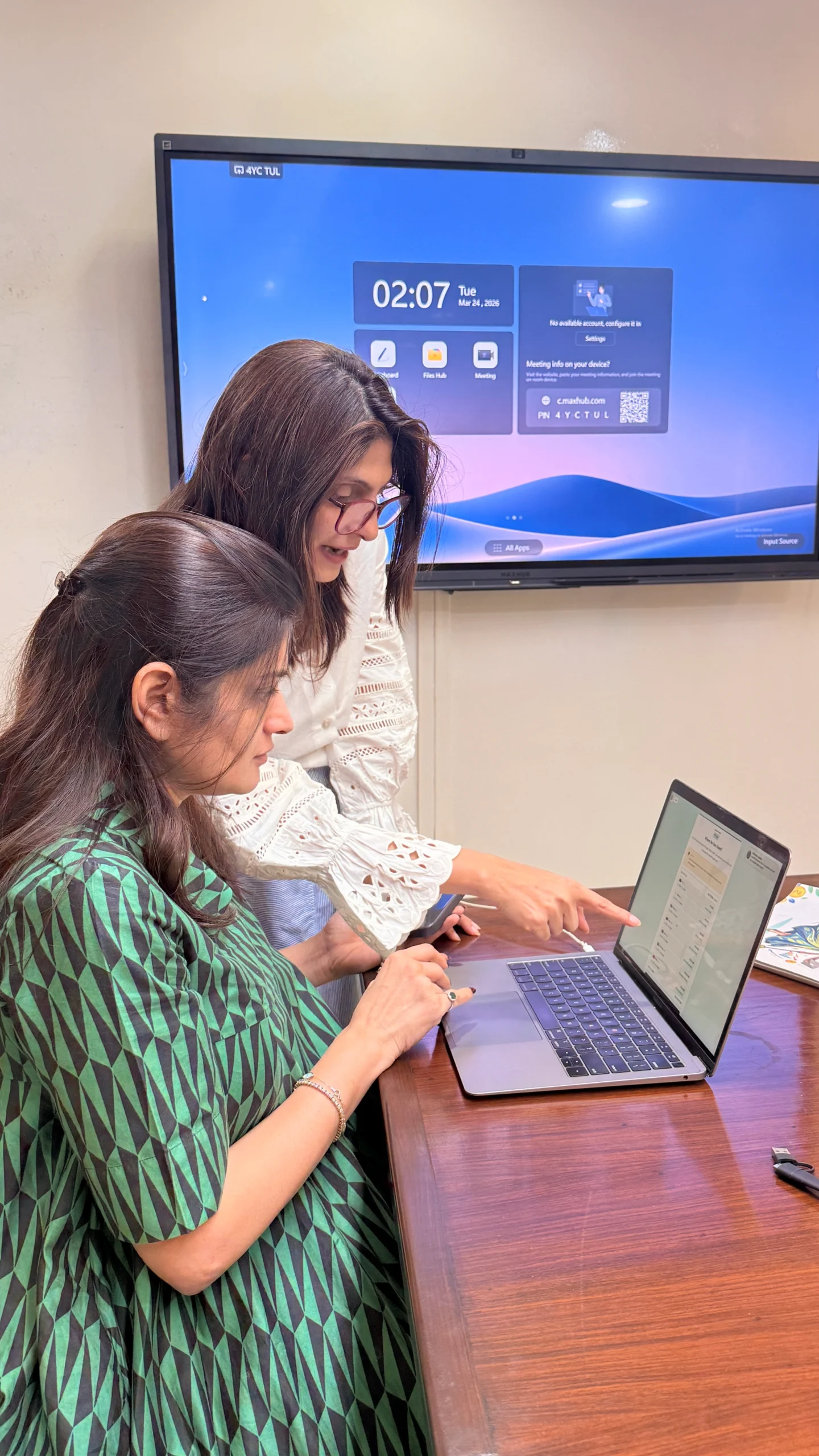
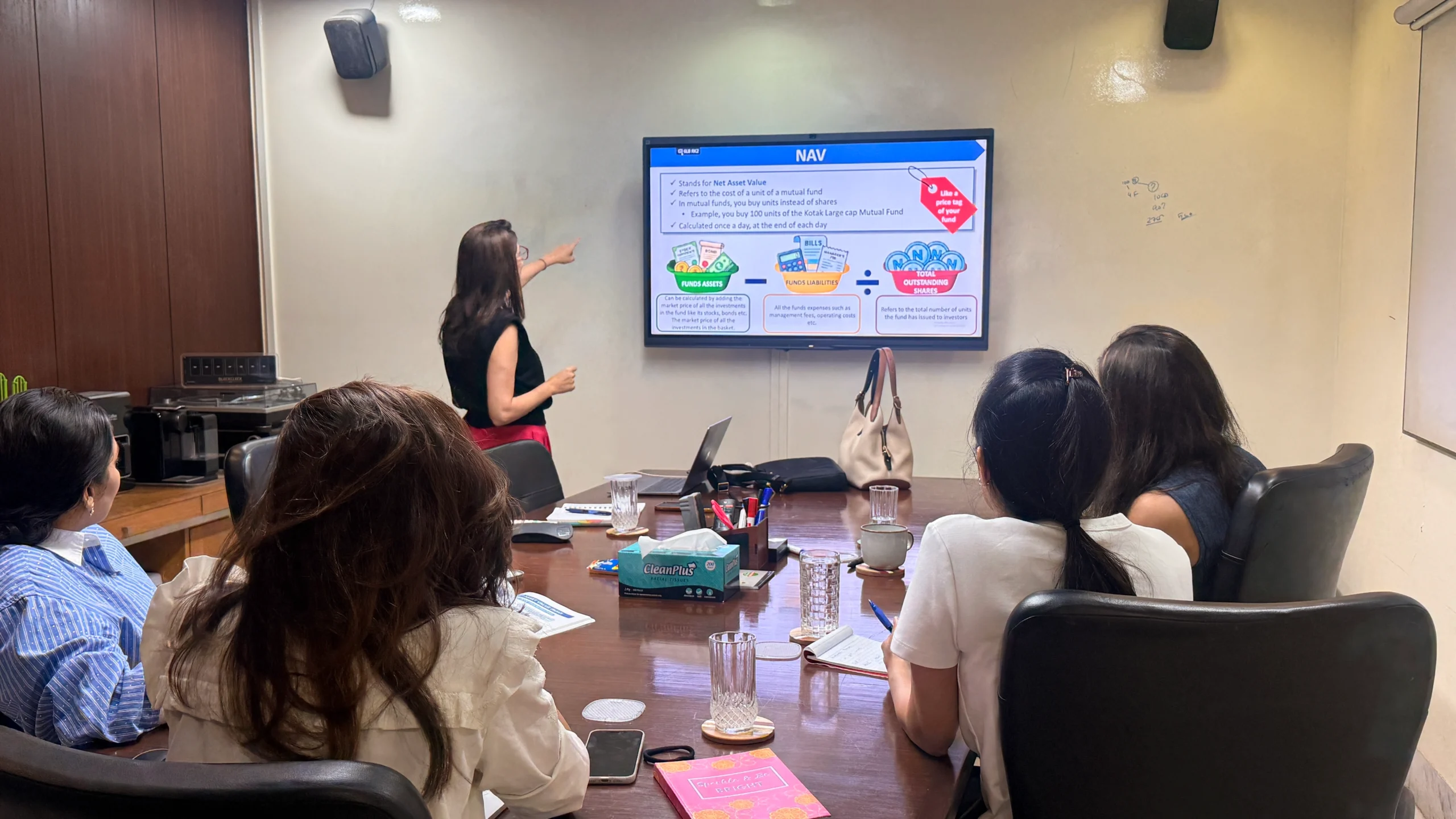
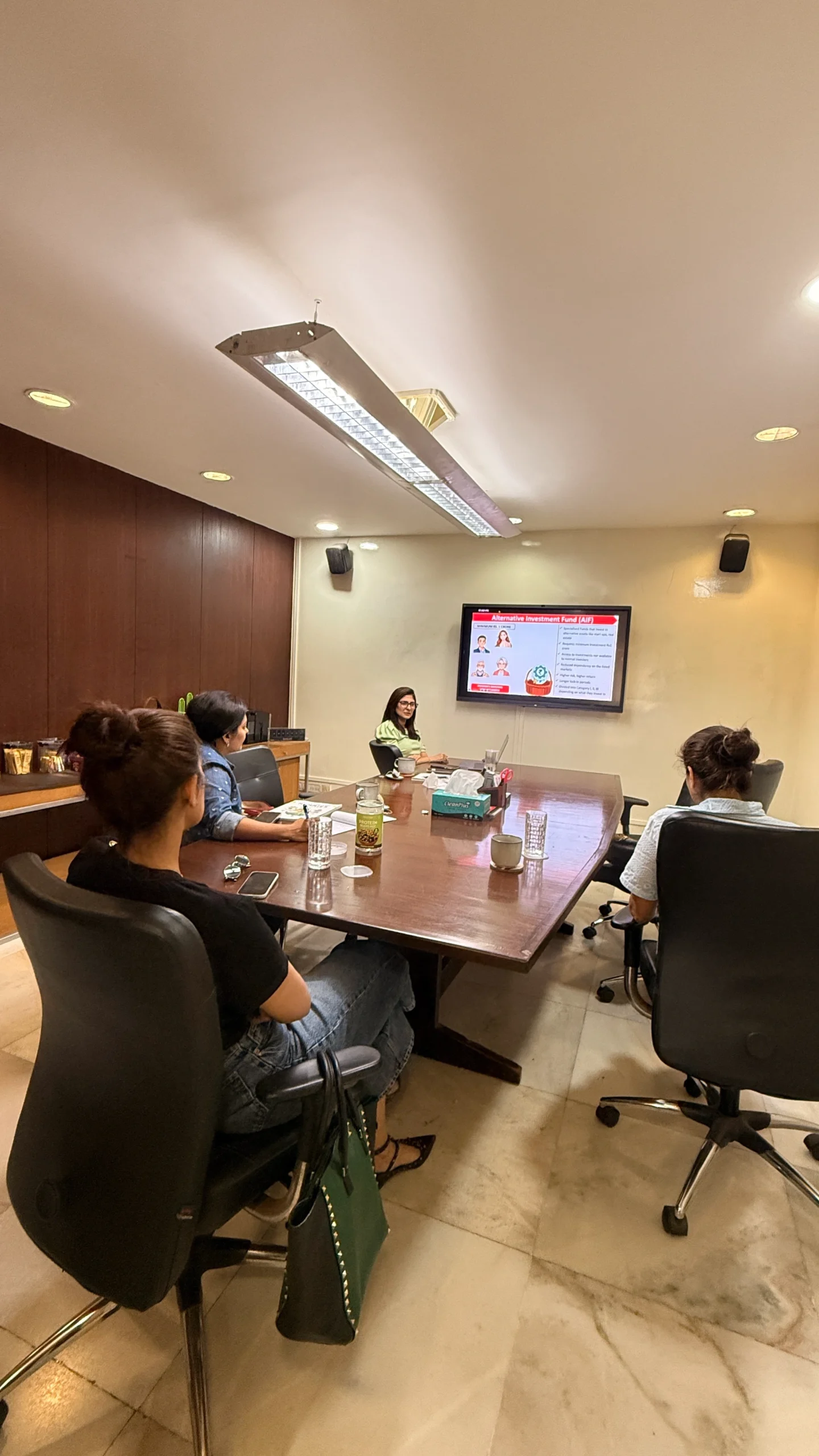
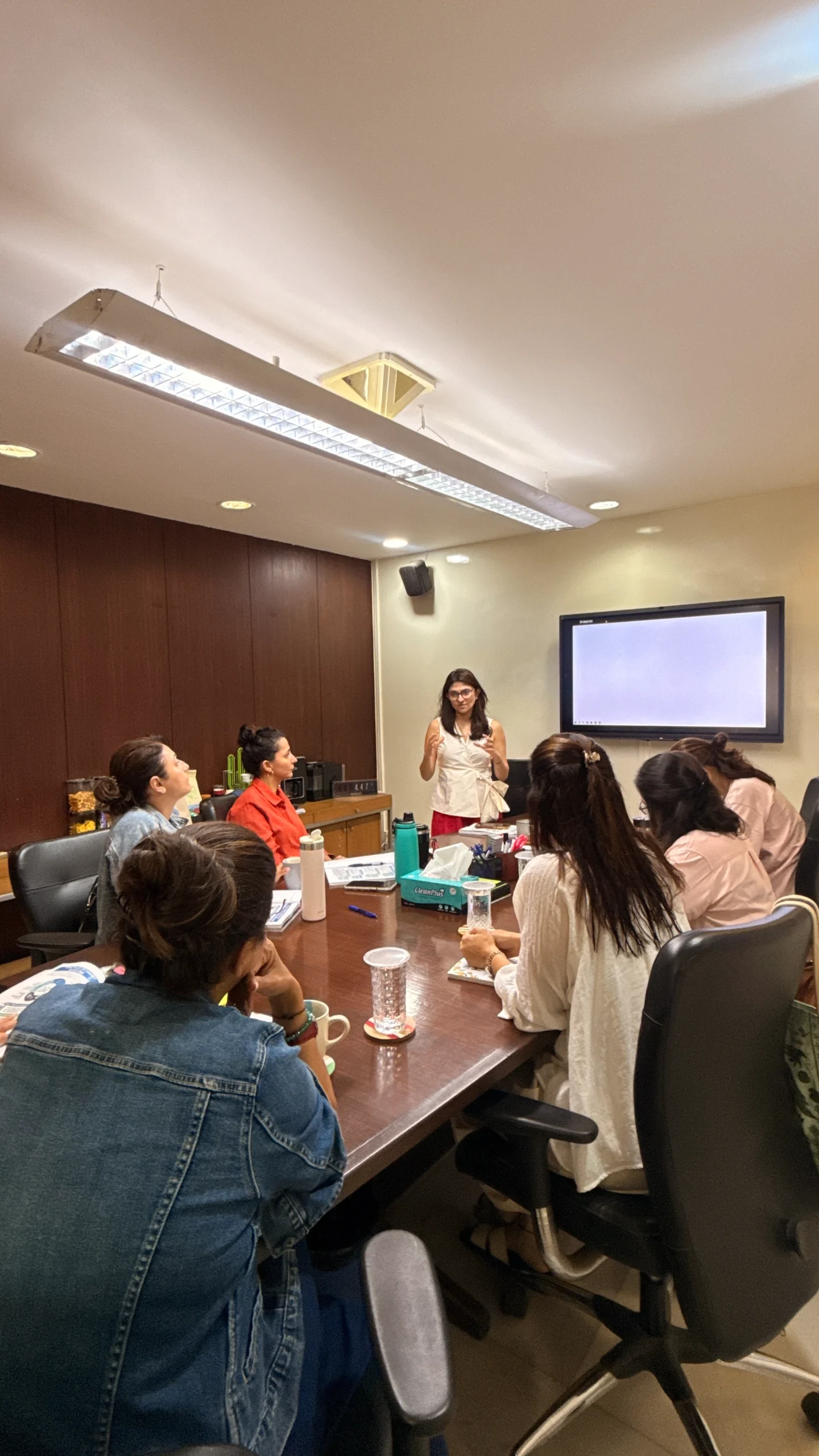
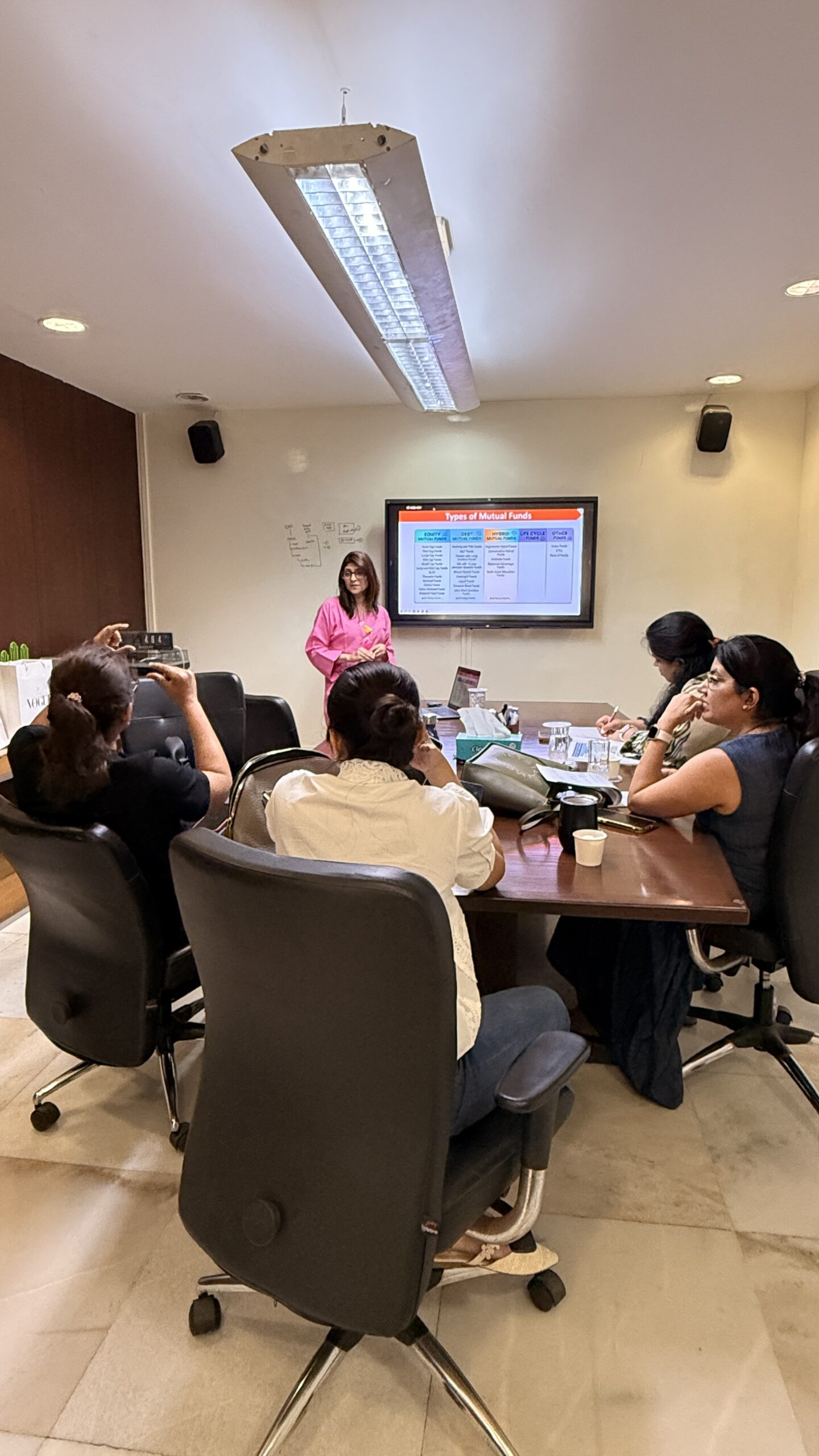
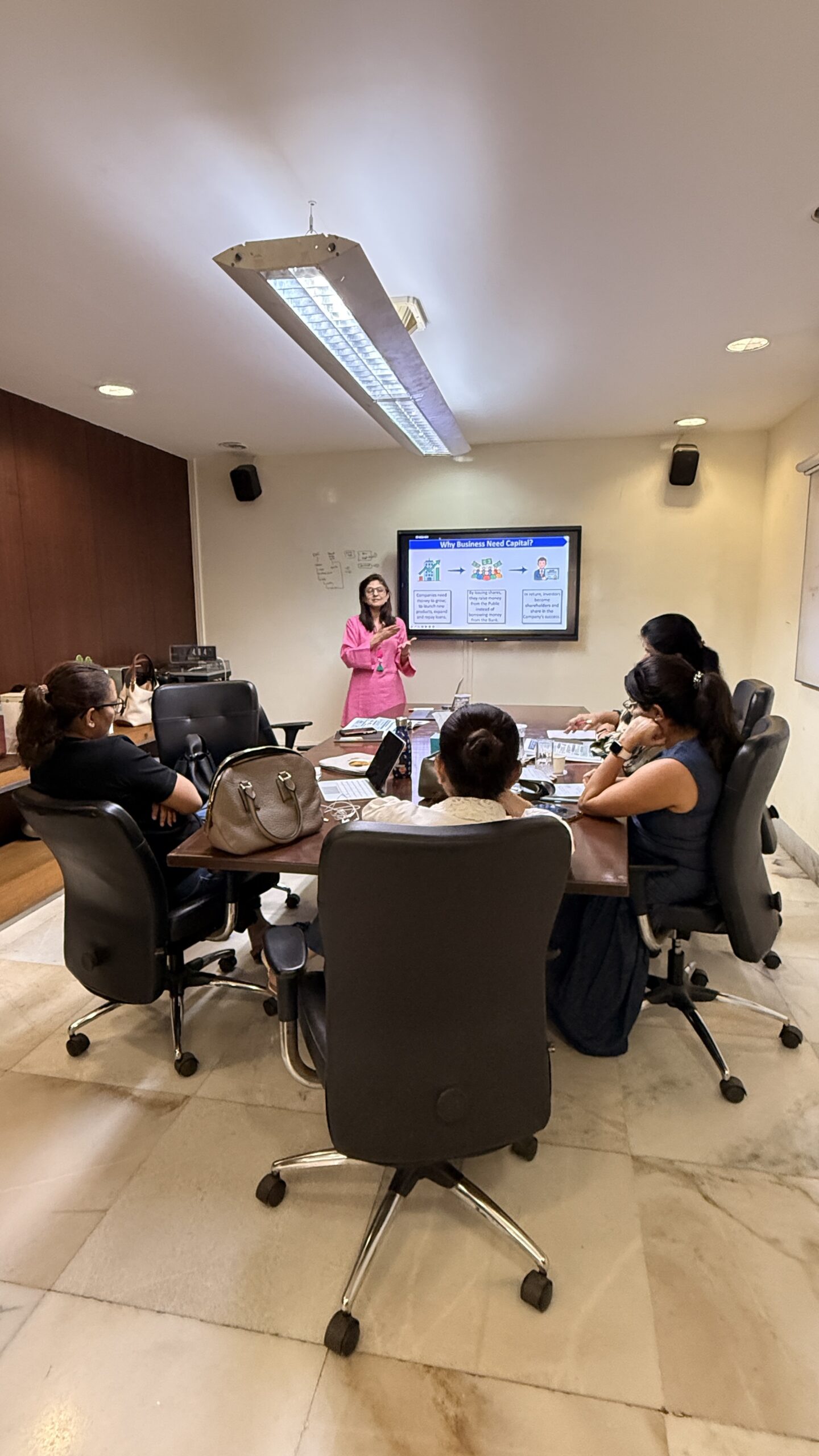
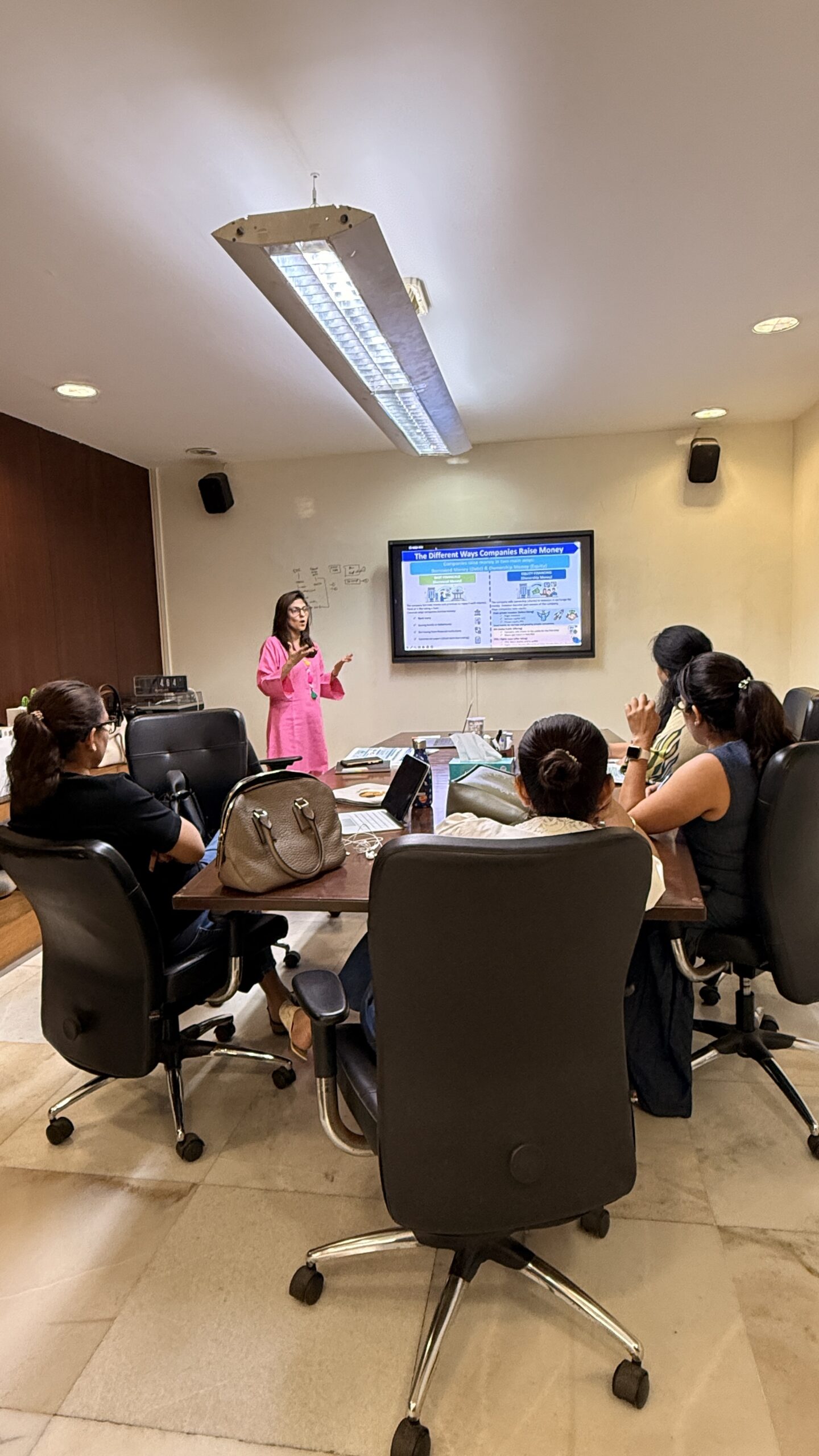
Workshop Moments
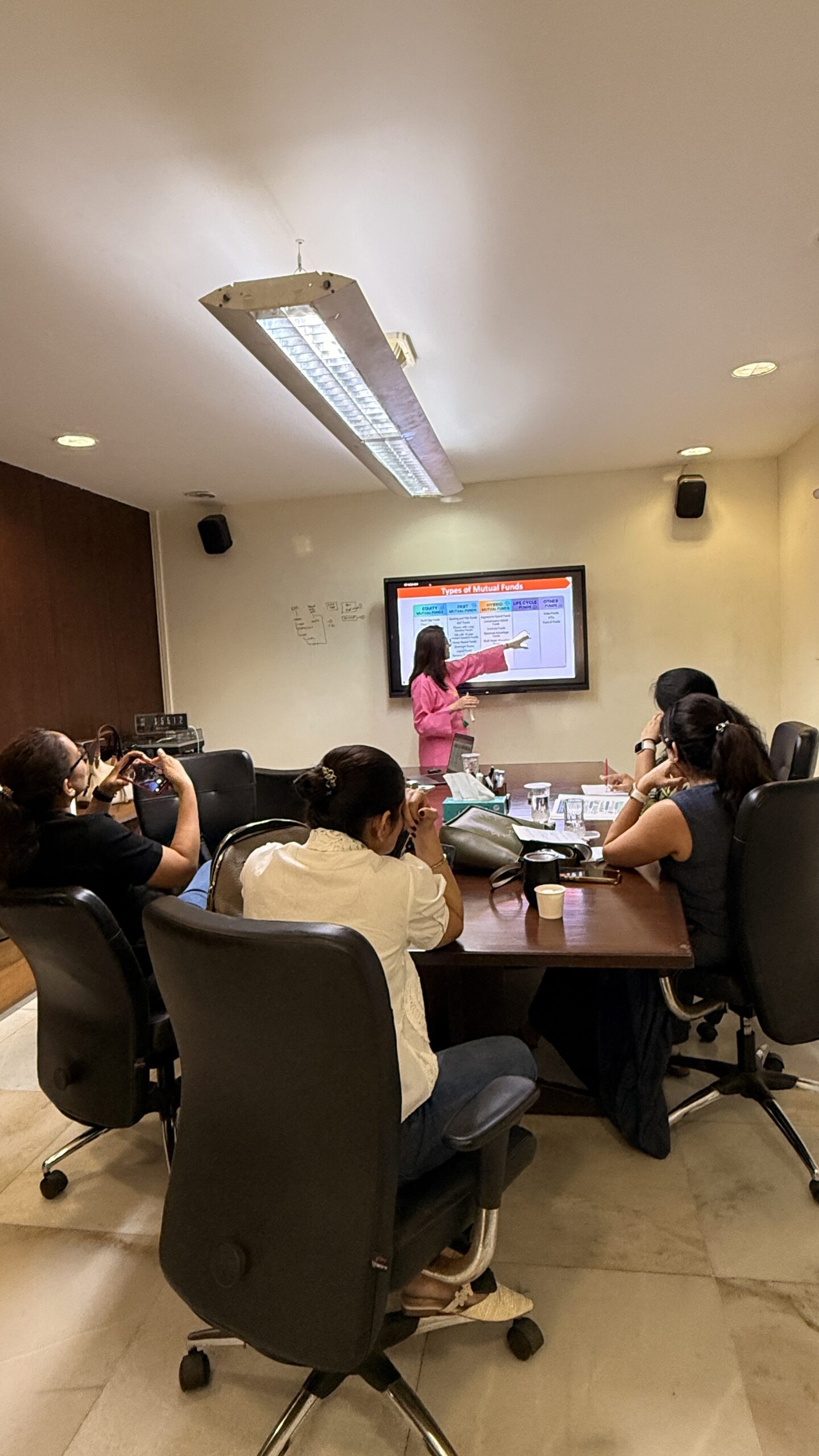
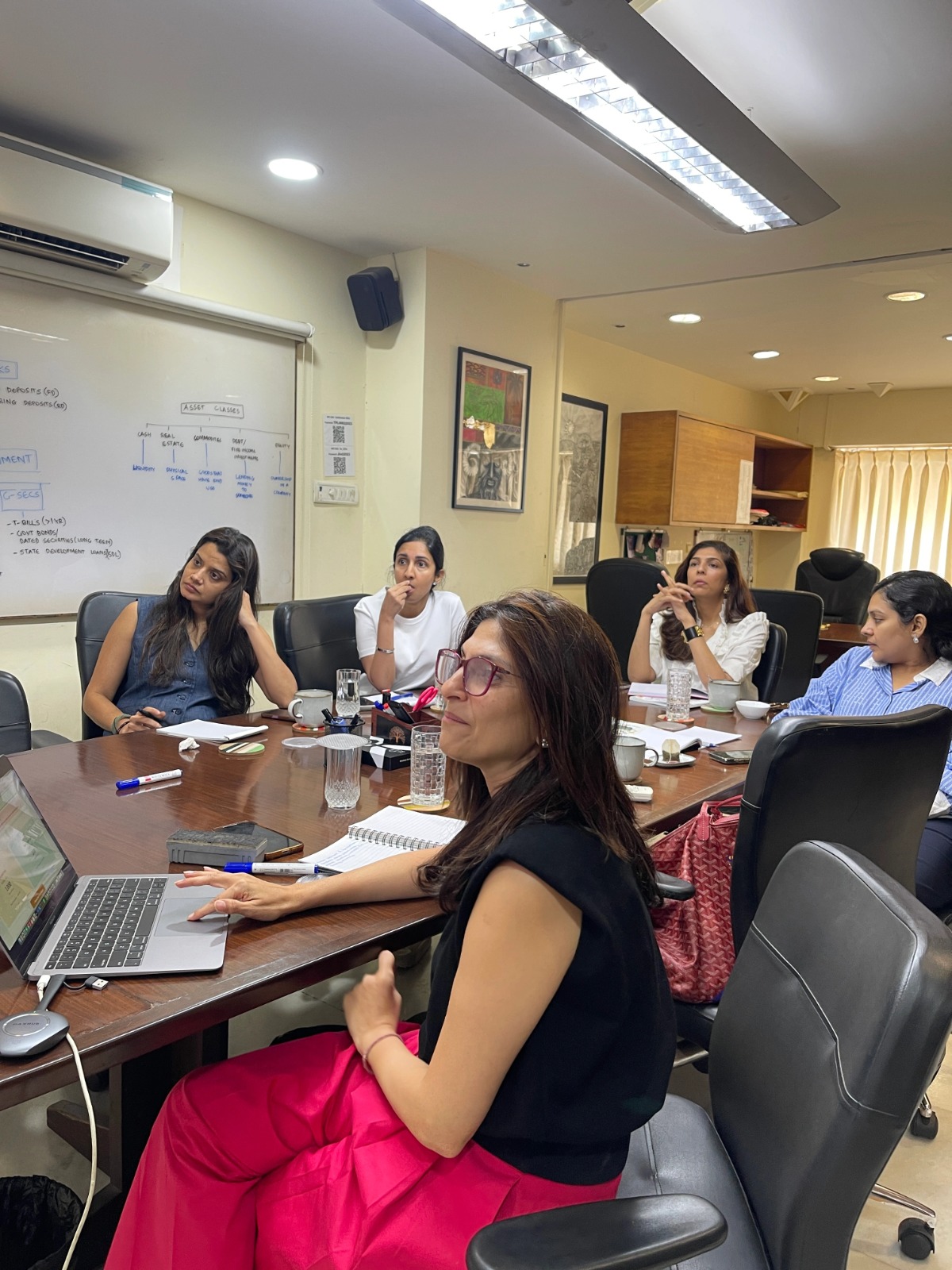
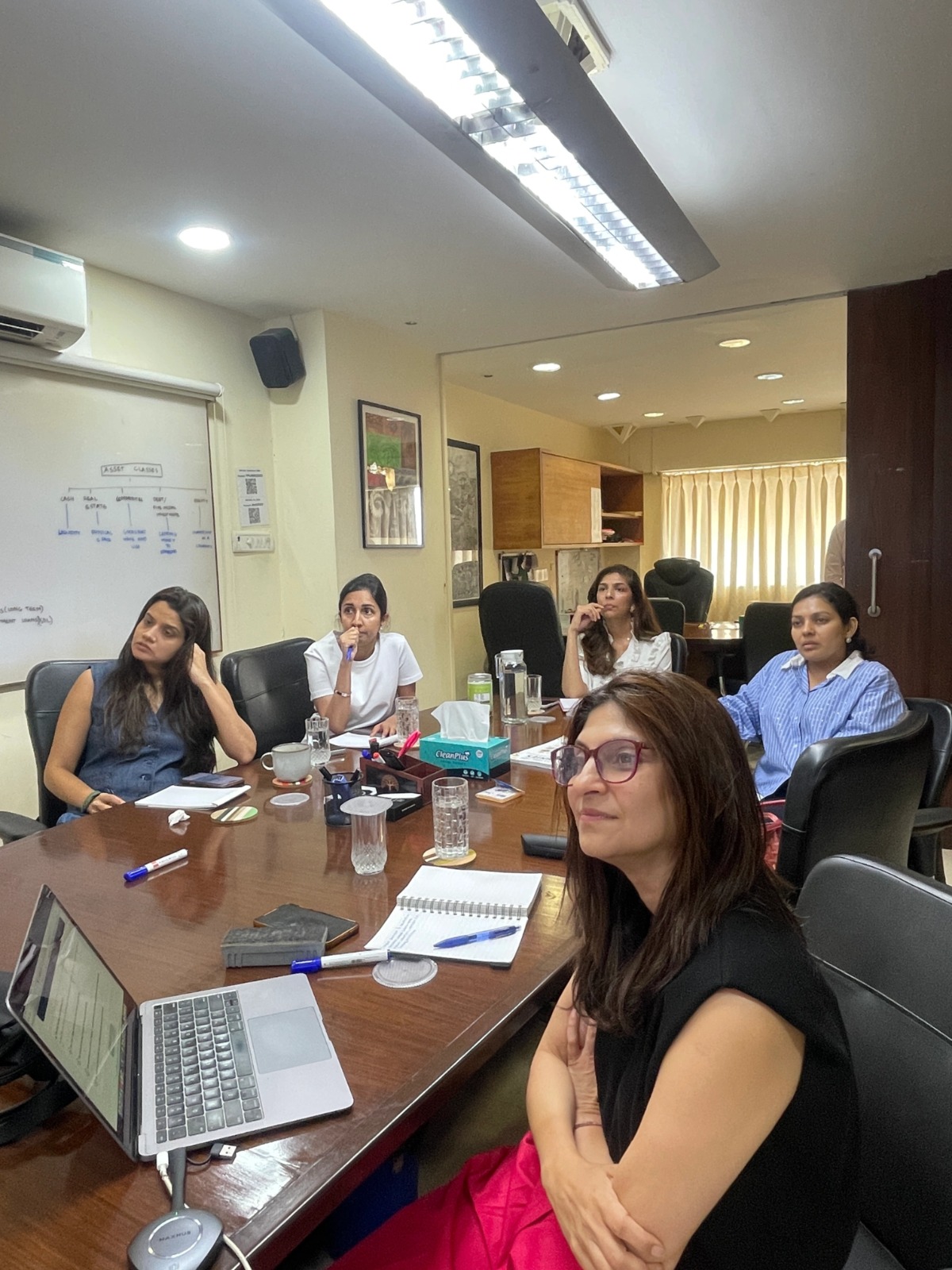
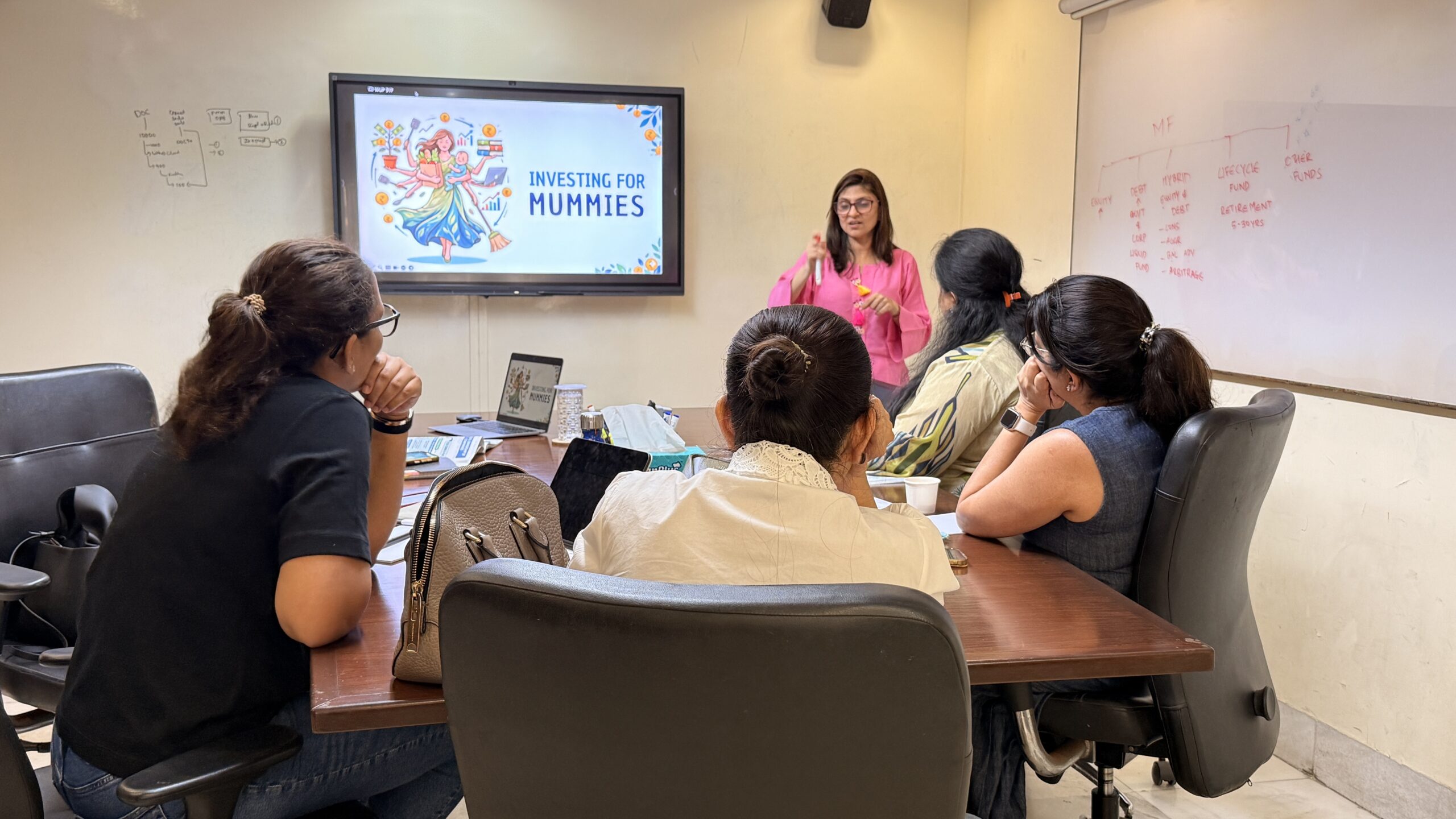
What You’ll Gain
🌱
By the End of the Course, You Will:
- Feel confident understanding financial concepts
- Know where and how to invest your money
- Be able to make informed financial decisions
- Have a simple, practical investment framework for yourself
💛
A Gentle Reminder
- You don’t need to know everything to begin.
- You don’t need to know everything when you end.
You just need a place that helps you start.
Frequently Asked Questions
Do I need any prior knowledge about investing?
Not at all. The course is designed for complete beginners and starts with the very basics.
Will the sessions be very technical?
No. The focus is on explaining concepts in simple language using everyday examples and visual explanations.
Is this course about stock picking or trading?
No. The aim is to build a foundational understanding of investing so you can feel more confident when thinking about financial decisions.
Can I attend with friends?
Each participant must register individually. However, you are welcome to share the course details with friends who may be interested in joining a batch.
Where are the sessions held?
All sessions are conducted in person at Nariman Point, Mumbai.
What if I still feel nervous about asking questions?
Many participants feel the same way at the beginning. The course is intentionally kept small and informal so that everyone feels comfortable asking questions and participating in discussions.